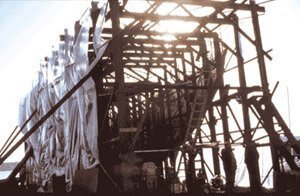
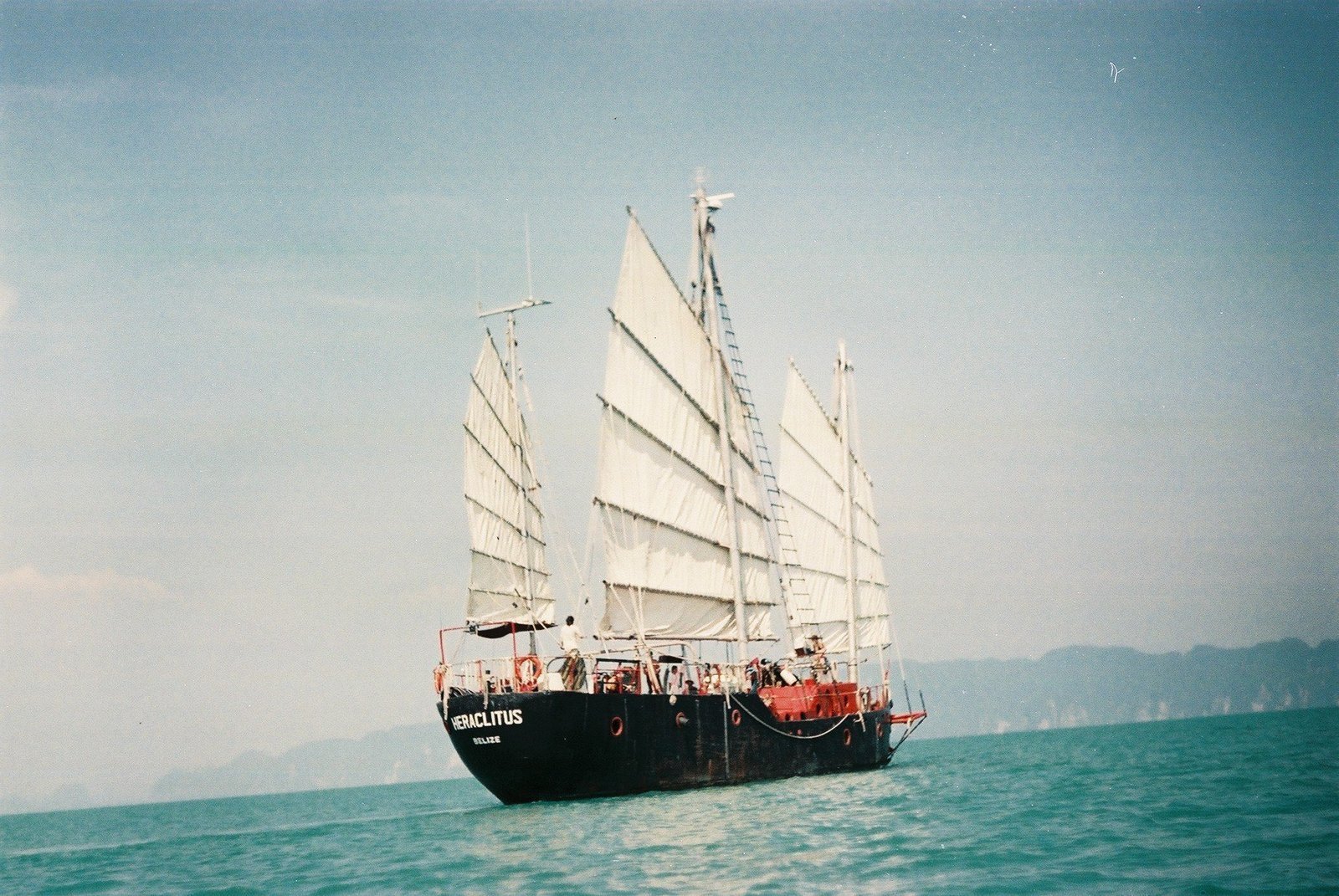
They went looking for condemned houses. Not for shelter — for nails. They pulled the nails, salvaged the lumber, built scaffolding out of it, and on that scaffolding built an eighty-four-foot ship out of concrete. None of them had ever built a boat before.
New — first look
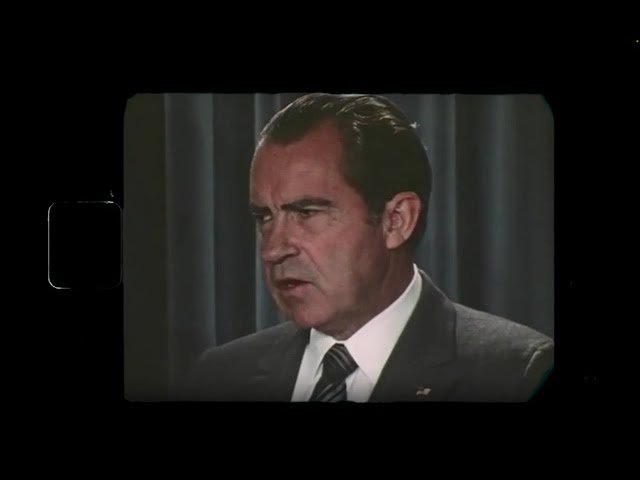
The sizzle — first look · July 2024 cutrvheraclitus.com
Documentary · full filmArchival photographs courtesy of the R/V Heraclitus project
Length
84feet, ferrocement hull
Distance logged
270,000nautical miles
Oceans crossed
Sixof the world's seven
Under rebuild
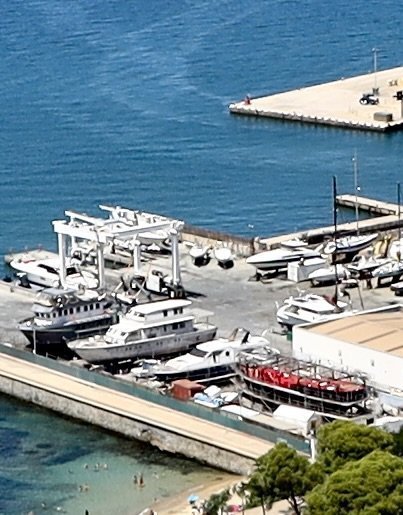
2012–Roses, Catalonia
The story
Oakland · 1974–75
Built on salvage
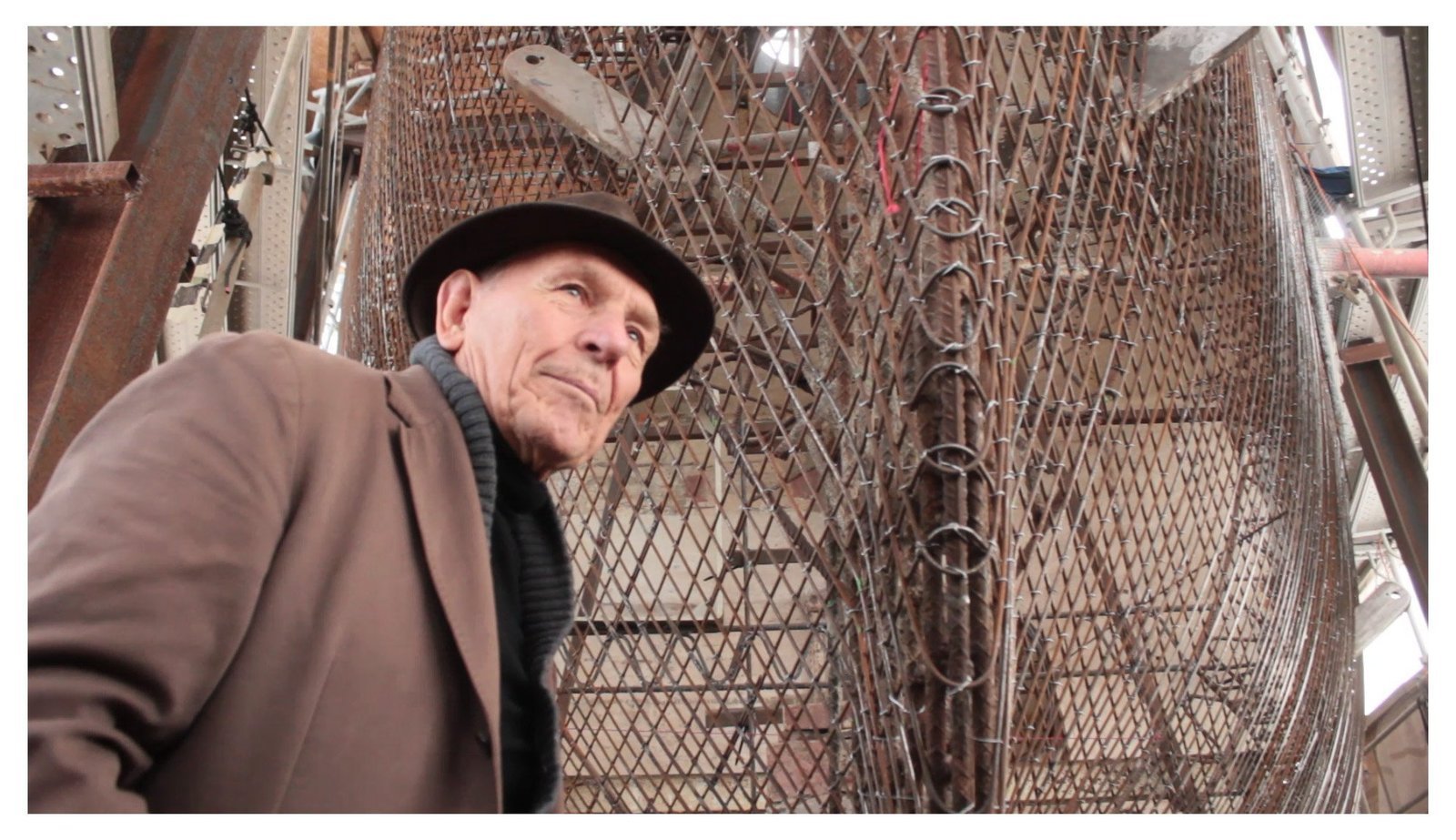
Ferrocement is cheap and enormously labour-intensive — steel mesh lashed over a frame, then concrete worked in by hand. For a group with no money and a lot of willing volunteers, that trade was exactly the right way round.
The build was funded in part by a café in Berkeley. She launched from Oakland in 1975.
The armature, before the concrete
New Mexico · 1969
Why a ship at all
The Institute of Ecotechnics grew out of a community in the New Mexico desert, set on demonstrating in practice — rather than in theory — that human technology could fit inside the biosphere instead of grinding against it.
Seventy-one percent of the planet's surface is water, holding some ninety-six percent of the biosphere's water. If you wanted to study the thing seriously, you could not do it from land.
Under sail
Amazon · Antarctica · The Mediterranean
Forty years of expeditions
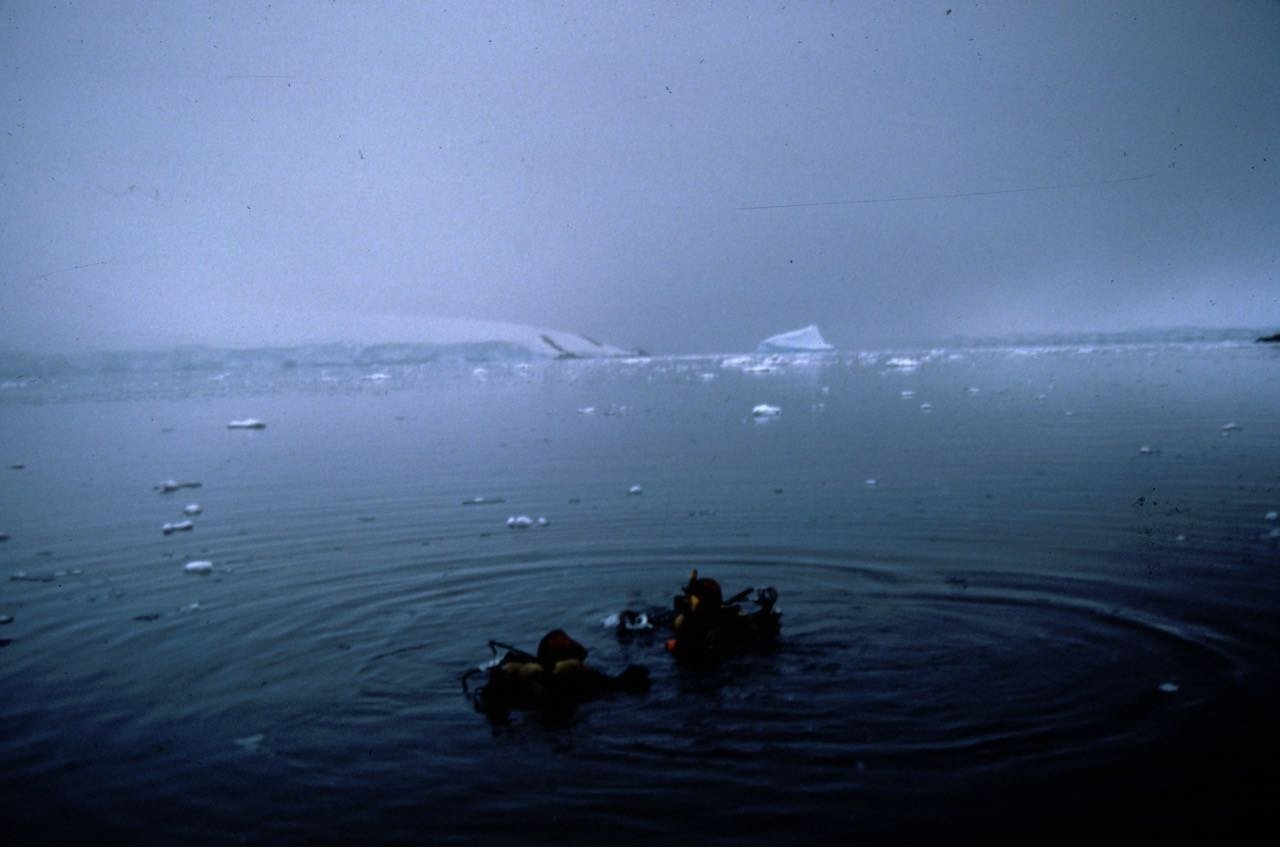
She went up the Amazon, where the crew traded dance-drama performances with their village hosts and the exchange that followed was of ethnobotanical knowledge. She dived beneath Antarctic ice. Her final expedition documented coastal communities around the Mediterranean — close to a hundred and fifty interviews across six countries.
Beneath the ice
Yucatán to Arizona · 1990
A reef in the desert
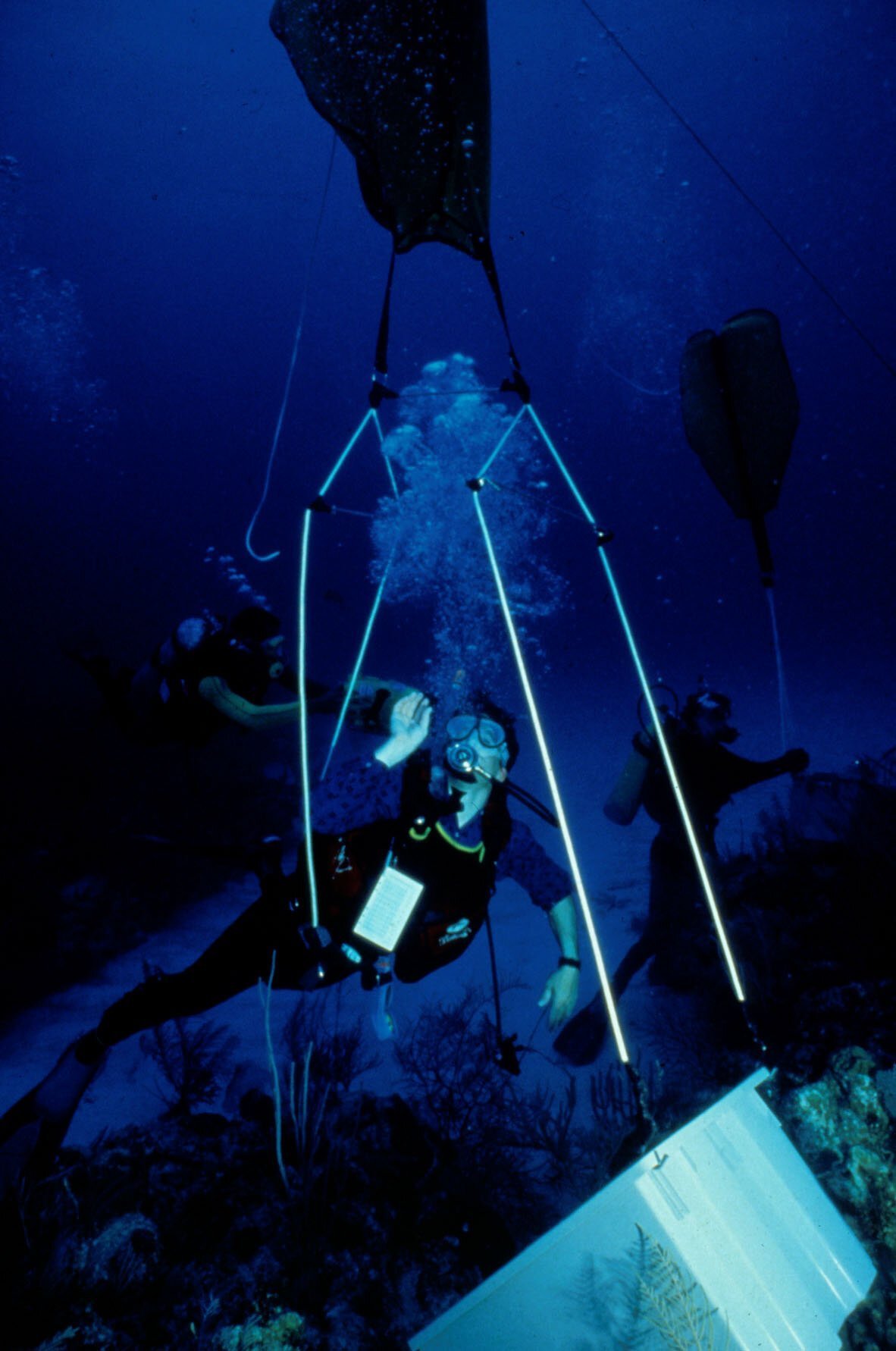
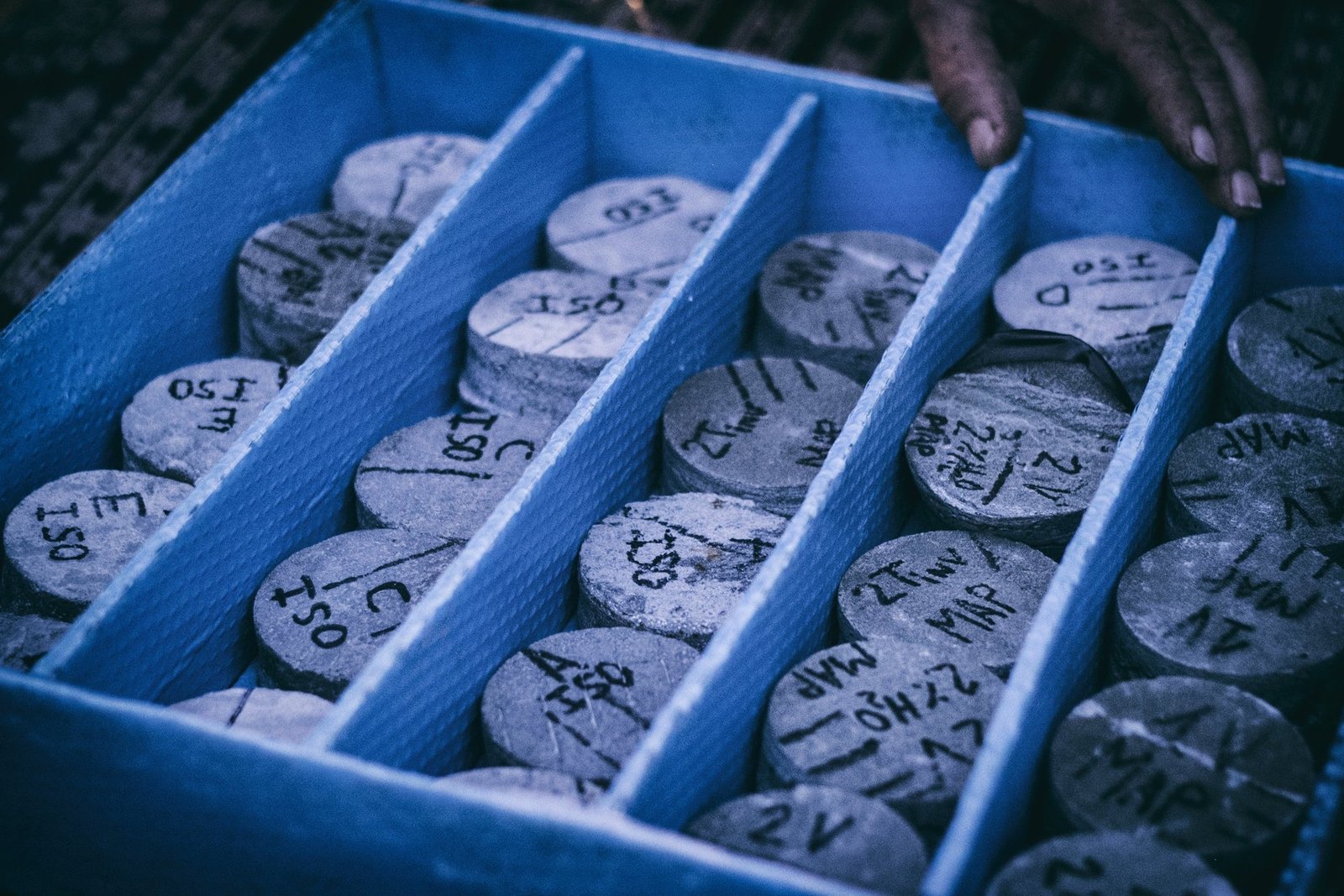
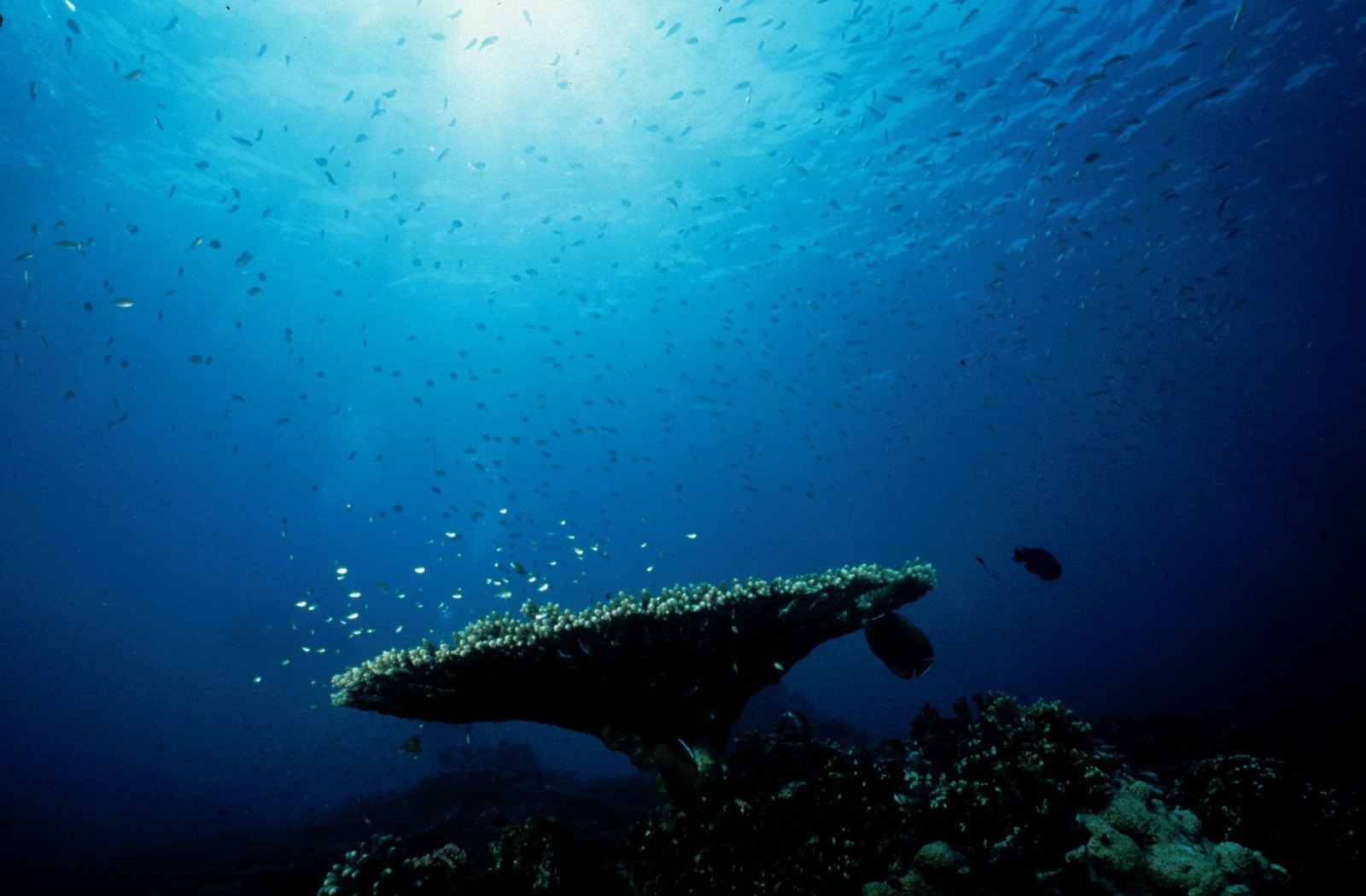
Biosphere 2 needed an ocean, and an ocean needs a reef. Off Akumal the crew floated hundreds of coral specimens up on lift bags, loaded them into trailer trucks fitted with lights and pumps to hold temperature and salinity steady, and drove them three days into the Arizona desert.
Eighty-seven new coral colonies formed inside the sealed biosphere. Because it was sealed, every exchange with the atmosphere could be measured exactly — which made it one of the earliest hard datasets on what rising carbon dioxide does to coral. The findings were not encouraging.
The sealed ocean, Oracle, Arizona
Fifty years, one hull
1969
The desert idea
A community in the New Mexico desert forms the Institute of Ecotechnics. John Allen argues that understanding the planet means going to sea.
1974–75
Oakland
Volunteers pull nails from condemned houses, build the scaffolding, and plaster an 84-foot ferrocement hull by hand. Funded in part by a Berkeley café. No one has built a boat before.
1975–2010
The voyages
The Amazon, Antarctica, the Mediterranean — 270,000 nautical miles across six oceans, with a theatre troupe for a crew performing in every port.
1990
Biosphere 2
The crew trucks a living coral reef from the Yucatán to the Arizona desert — one of the earliest hard datasets on what CO₂ does to coral.
2012
The haulout
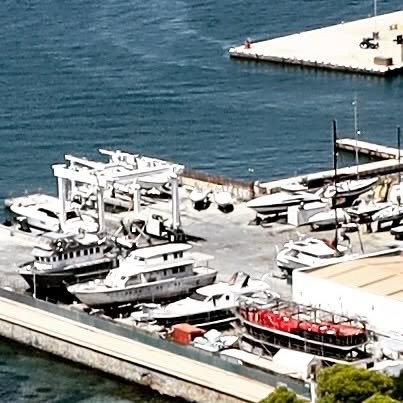
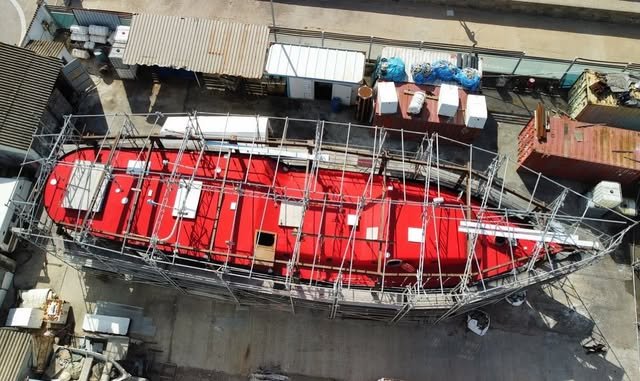
She is craned out at Roses, Catalonia, for a full rebuild. A new ferrocement hull, roughly sixty tons, upgraded engineering throughout.
2025
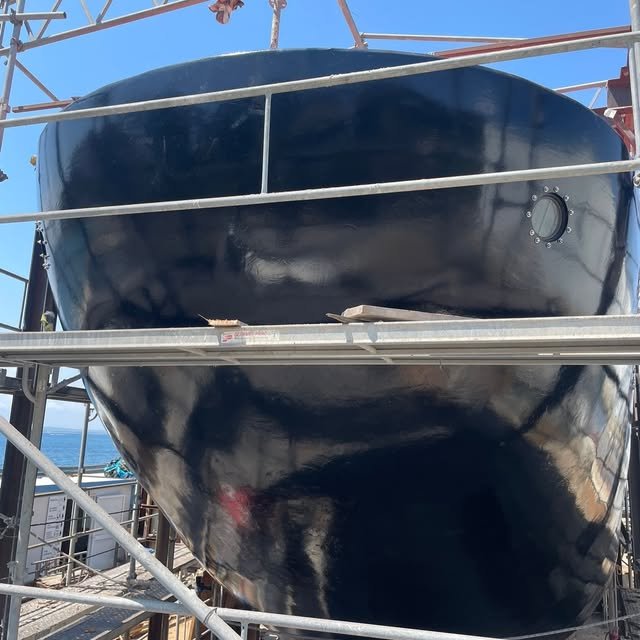
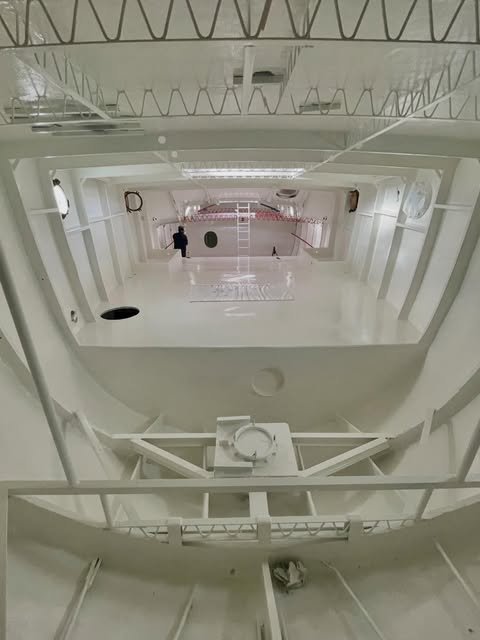
Painted, inside and out
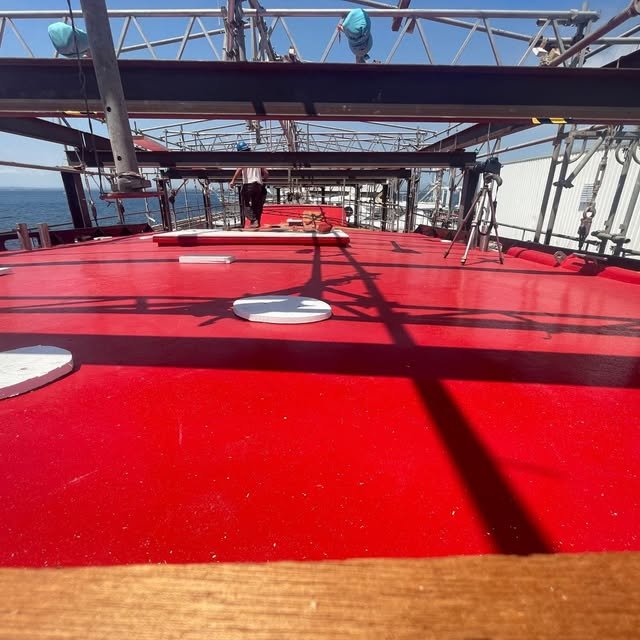
The paint coat is completed on December 19, 2025 after a year in which over fifty people came to work on the ship.
Now
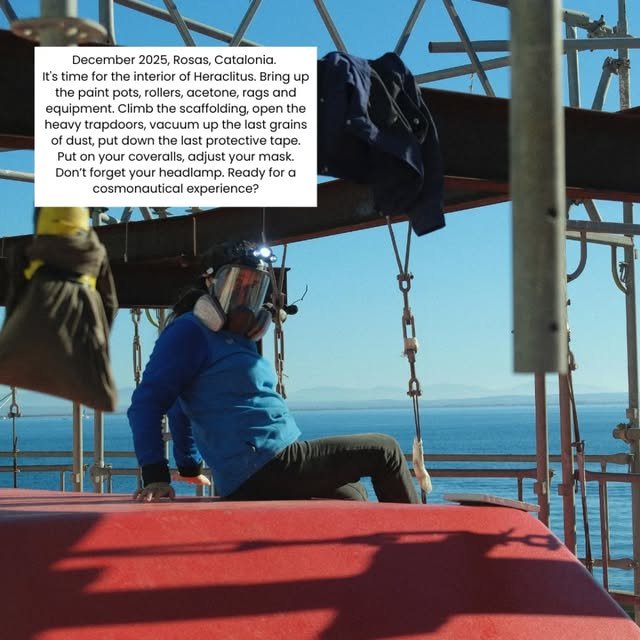
What is left is the interior
Systems, outfitting, rigging — then she goes back. New instruments, a bio research lab, and a Marziani Cinema™ AI system working alongside the crew.
The complicated part
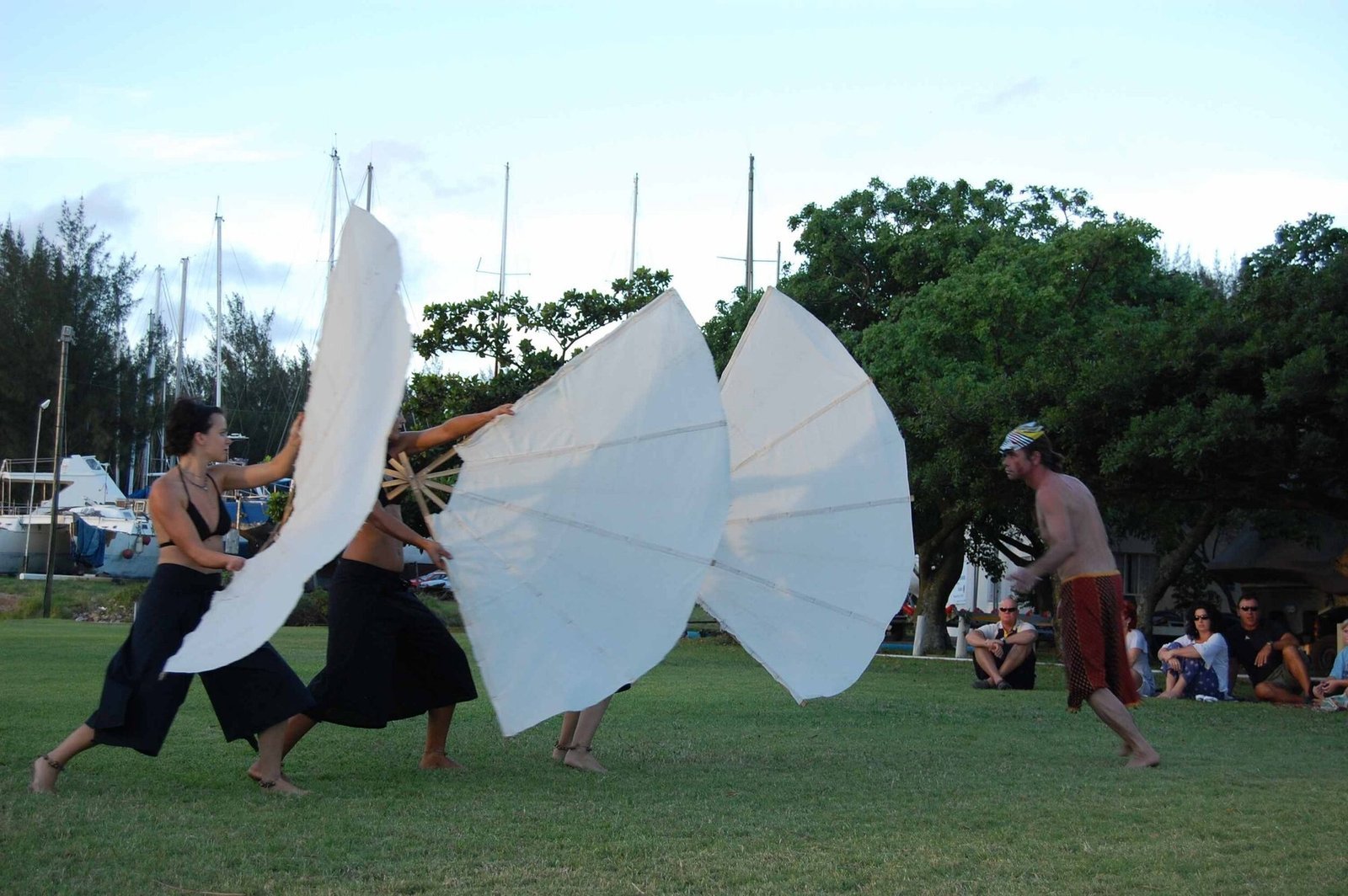
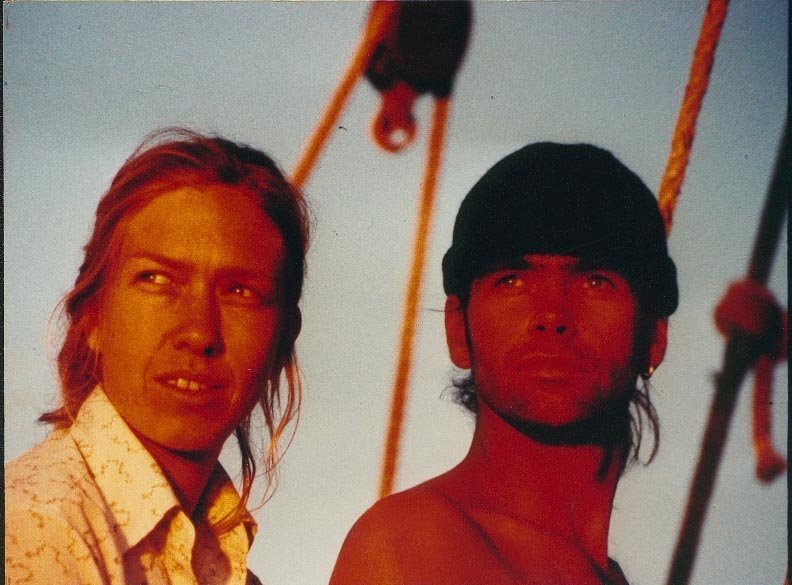
The people who built this ship were a theatre company. Not as a metaphor — an actual touring troupe, the Theater of All Possibilities. Aboard the Heraclitus, crew and ensemble meant the same thing, and they performed in every port they entered.
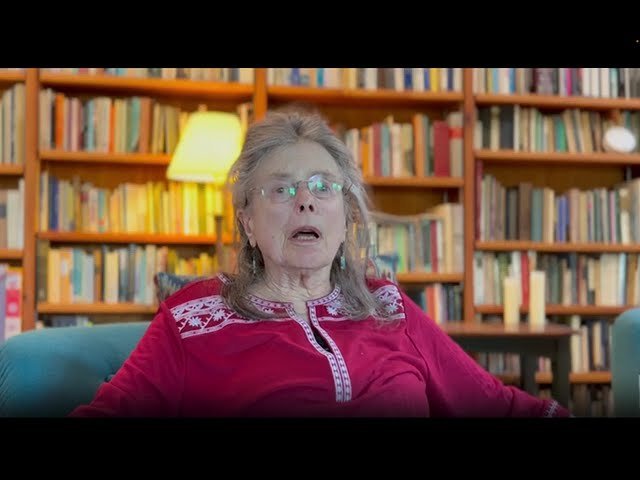
When Biosphere 2 became famous, this was the part the press seized on. A 1991 Village Voice investigation described the group as recycled theatre performers grown out of an authoritarian, non-scientific personality cult, and the label stuck. Former members have described an authoritarian atmosphere. The 2020 documentary Spaceship Earth works through all of it.
The Blue Planet Ensemble, performing aboard
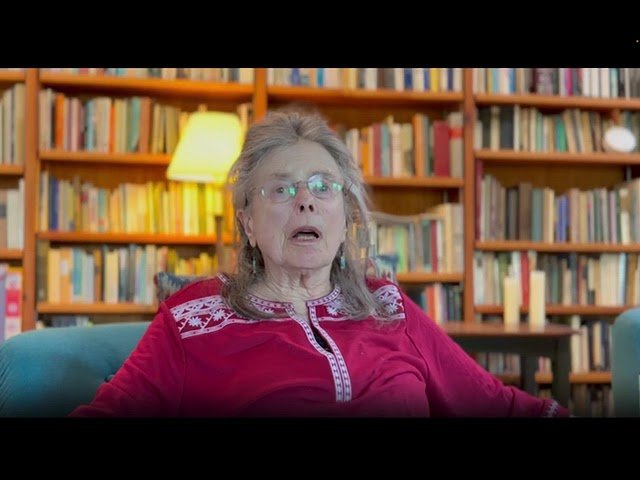
Both of those things can be true. They were strange. They also built a ship that sailed two hundred and seventy thousand nautical miles and did real work.The film, segment seven
The strangeness was not something the ship survived. It is the reason the ship exists at all.
Plates
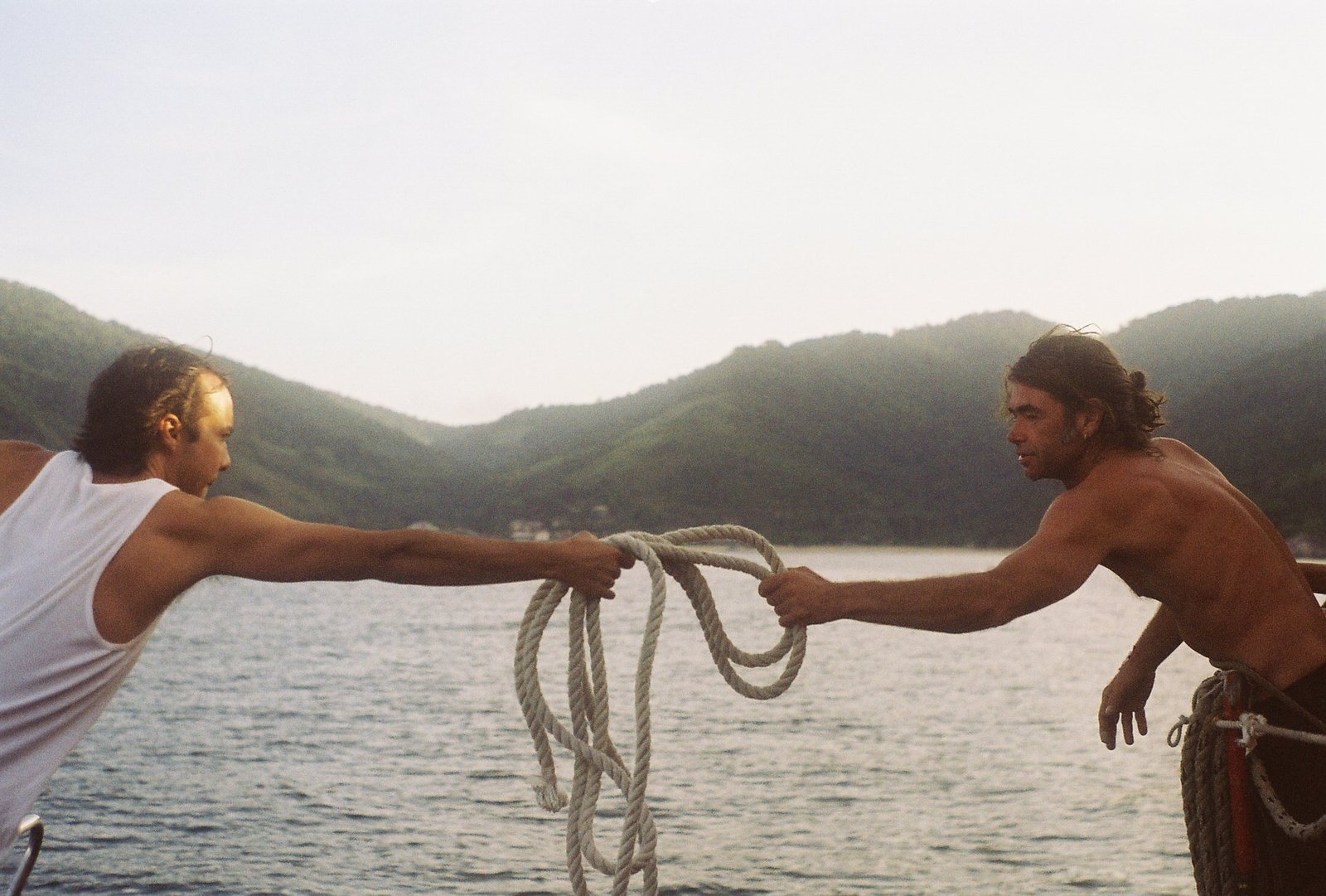
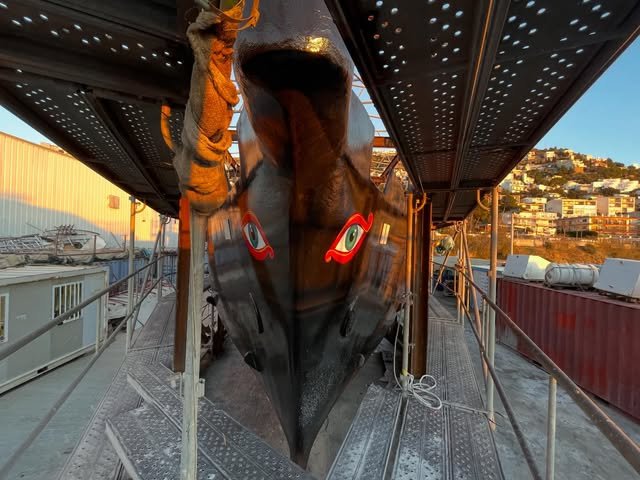
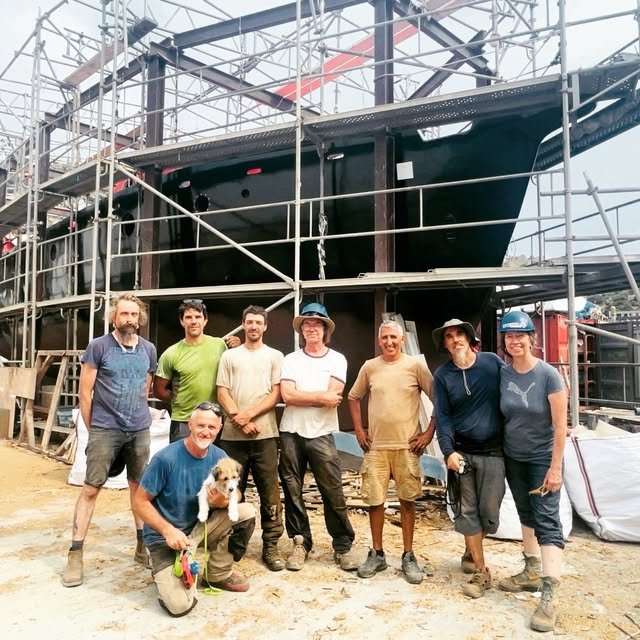
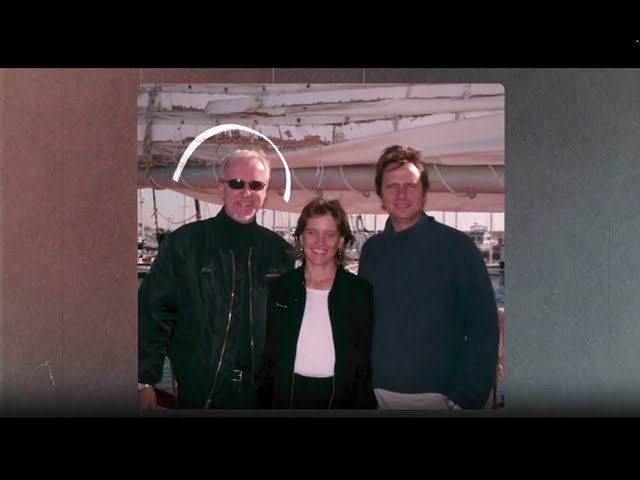
The rebuild, RosesTable corals, YucatánShip and crewUncovered, 2025Claus and Christine, captainsThe bow
Follow the rebuild
The Heraclitus posts her own progress from the shipyard at Roses — the paint going on, the crew at work, the interior taking shape. Straight from the refit, as it happens.
The ship, the voyages, the rebuild — fifty years of the Heraclitus in one reel: her launch from Oakland, 270,000 nautical miles of expedition, and the shipyard at Roses where she waits to go back.
2026 · 4 minArchival and shipyard footage
She Goes Back
Fifty years in a minute — the build, the voyages, the rebuild at Roses, and what comes next: new instruments, a bio research lab, and a Marziani Cinema™ AI system working alongside the crew.
The sizzle
The July 2024 first-look cut, at the top of this page — the same reel that opened the film's pitch.
Vertical shortRefit imagery is a design concept
The series — in eight parts
The whole story in eight short chapters, built entirely from
photographs of the ship. Watch in order if you can — the fifth one assumes the
first three.
Pull the Nails
“This ship is made of concrete.”
Oakland, 1974: condemned houses, salvaged lumber, an 84-foot hull.
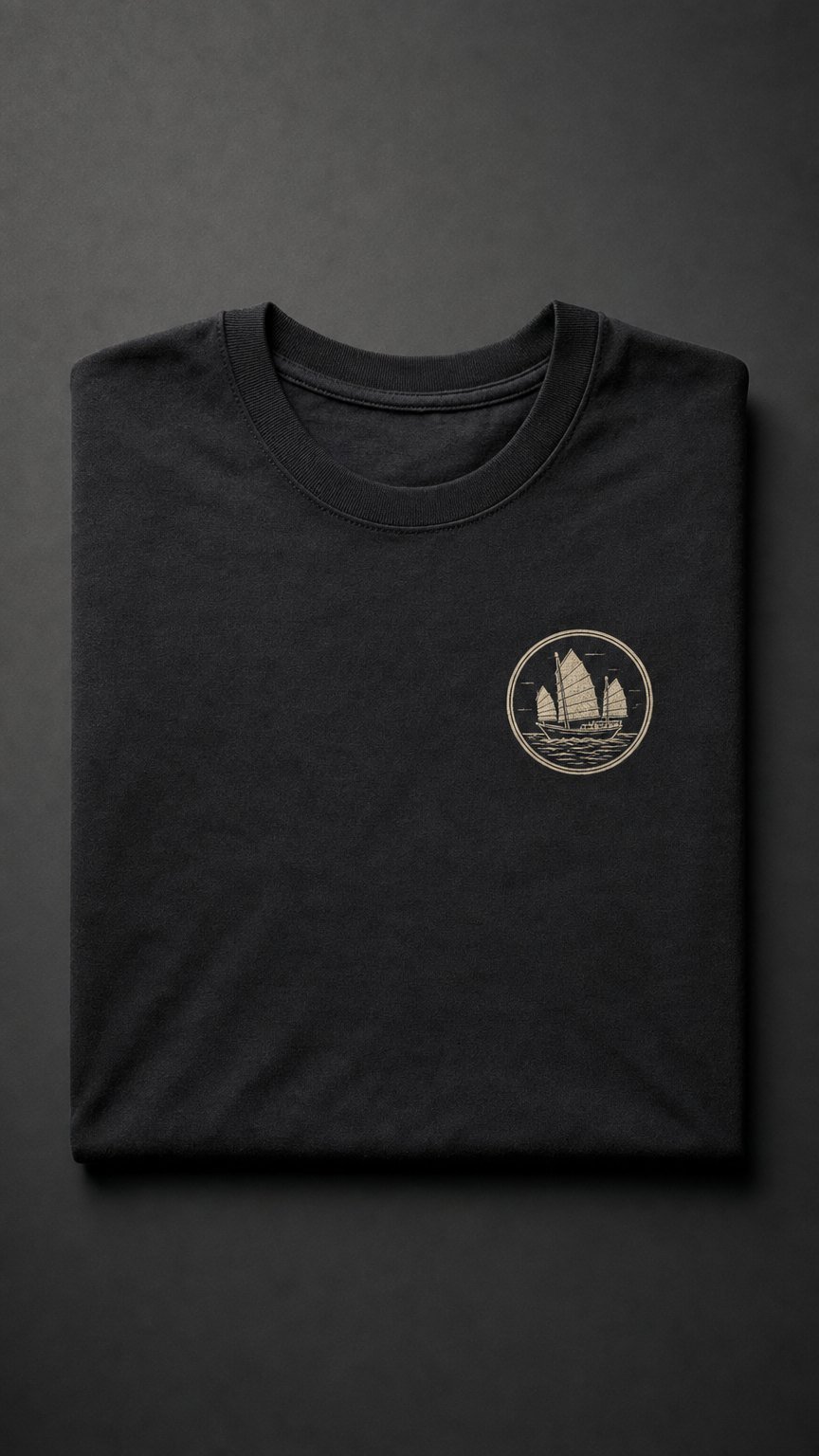
Lifestyle apparel, if the film had a wardrobe department.
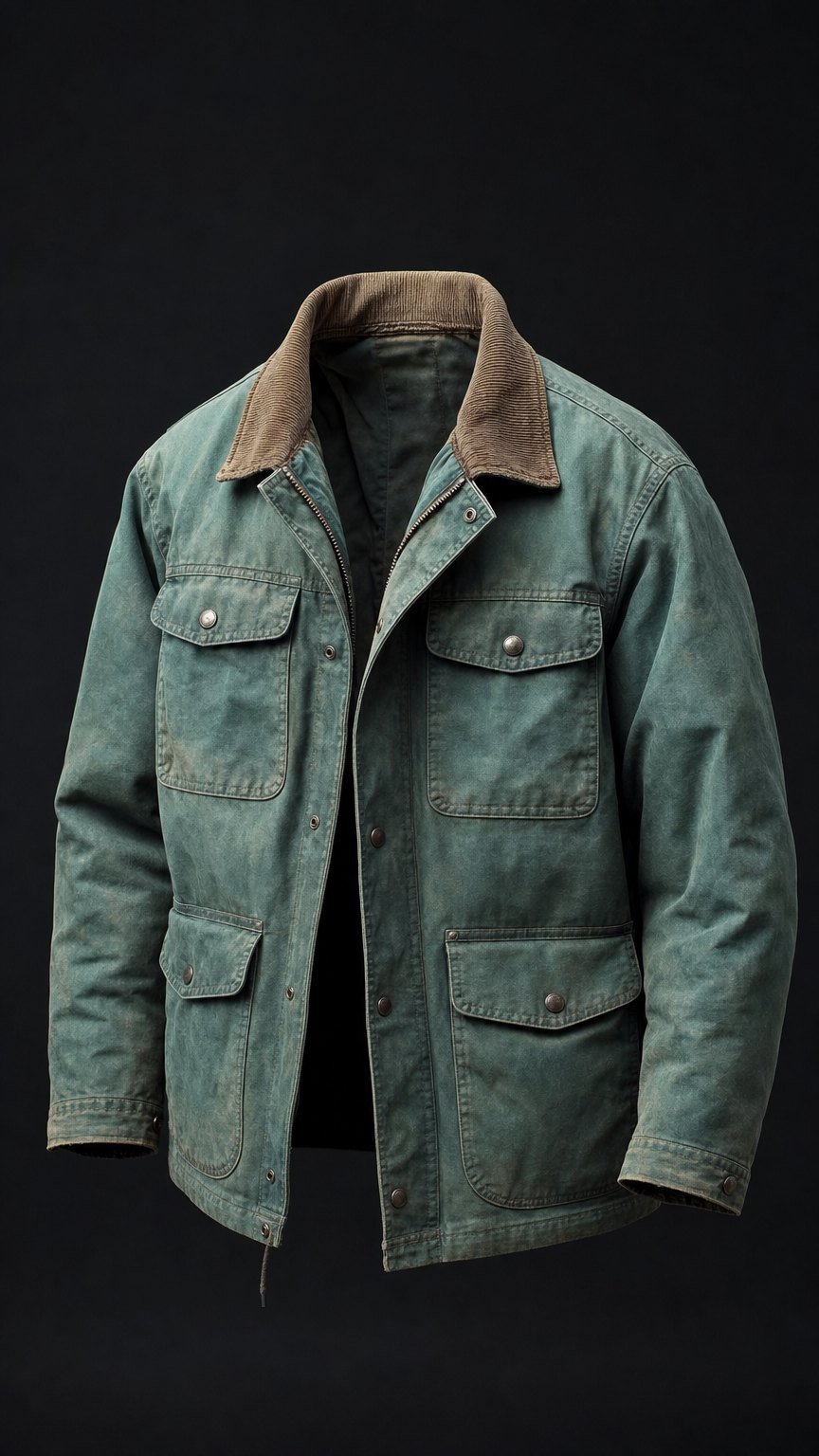
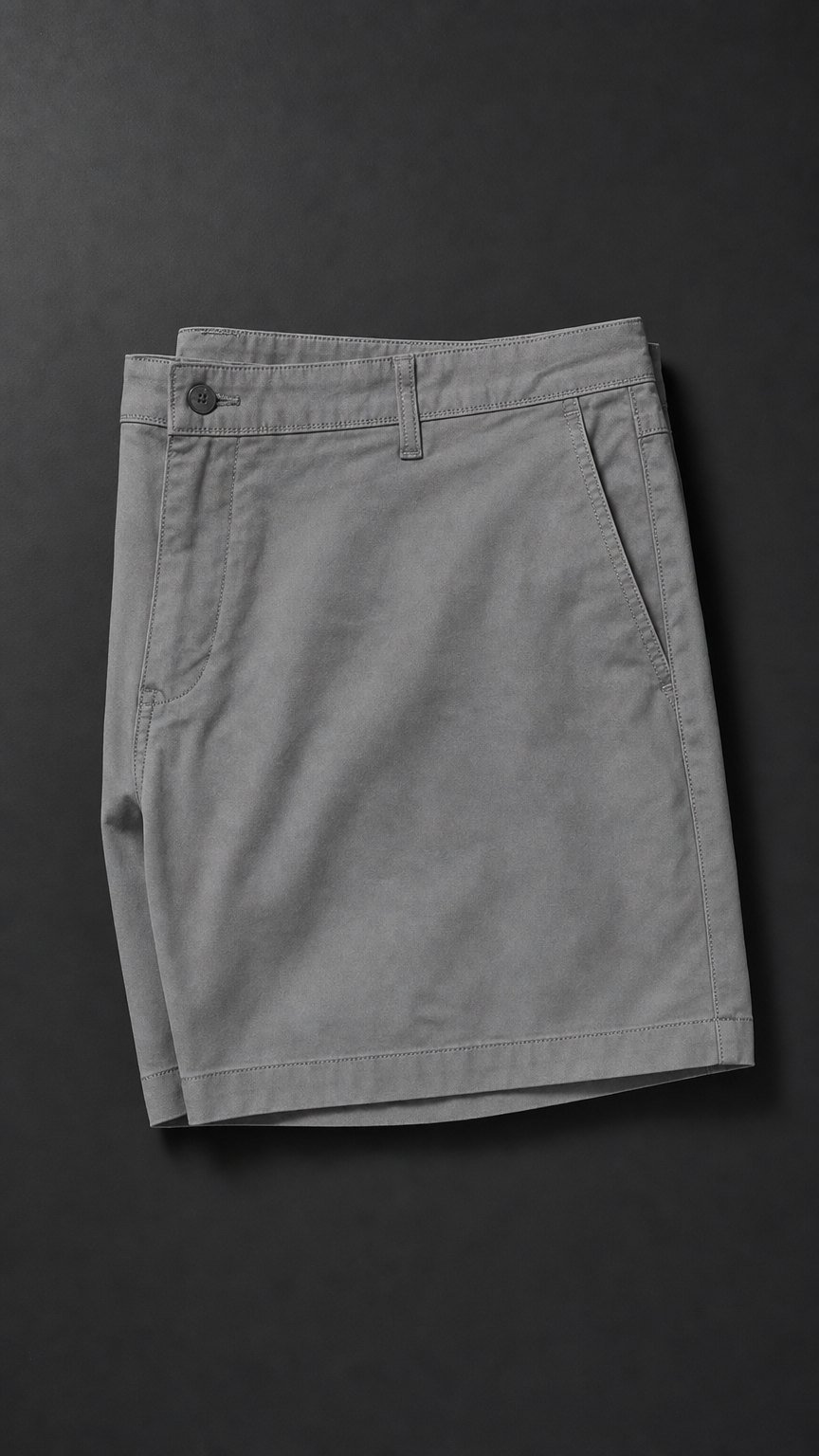
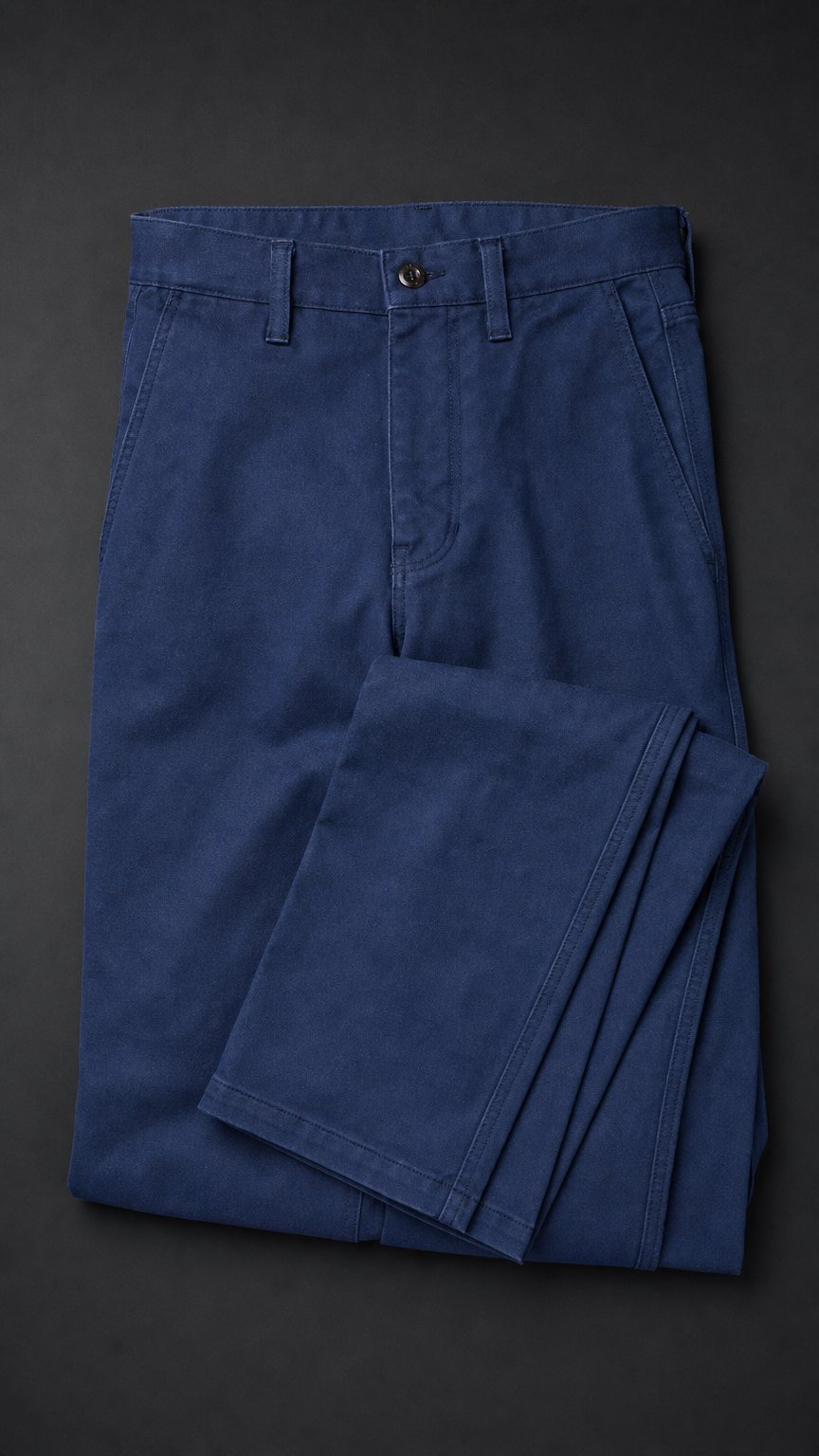
Crew call themselves sea people — the thread the ship has followed for fifty years, from the Amazon to the Mediterranean. The idea: sun-faded, salt-soft staples in the spirit of heritage coastal labels — garment-dyed tees, broken-in shorts, decks pants, and go-green accessories that leave the ocean better than they found it.
Every piece carries the story and the provenance: grown renewable fibres, natural dyes, and proceeds that feed the re-launch — the first delivery drops the day she touches water.
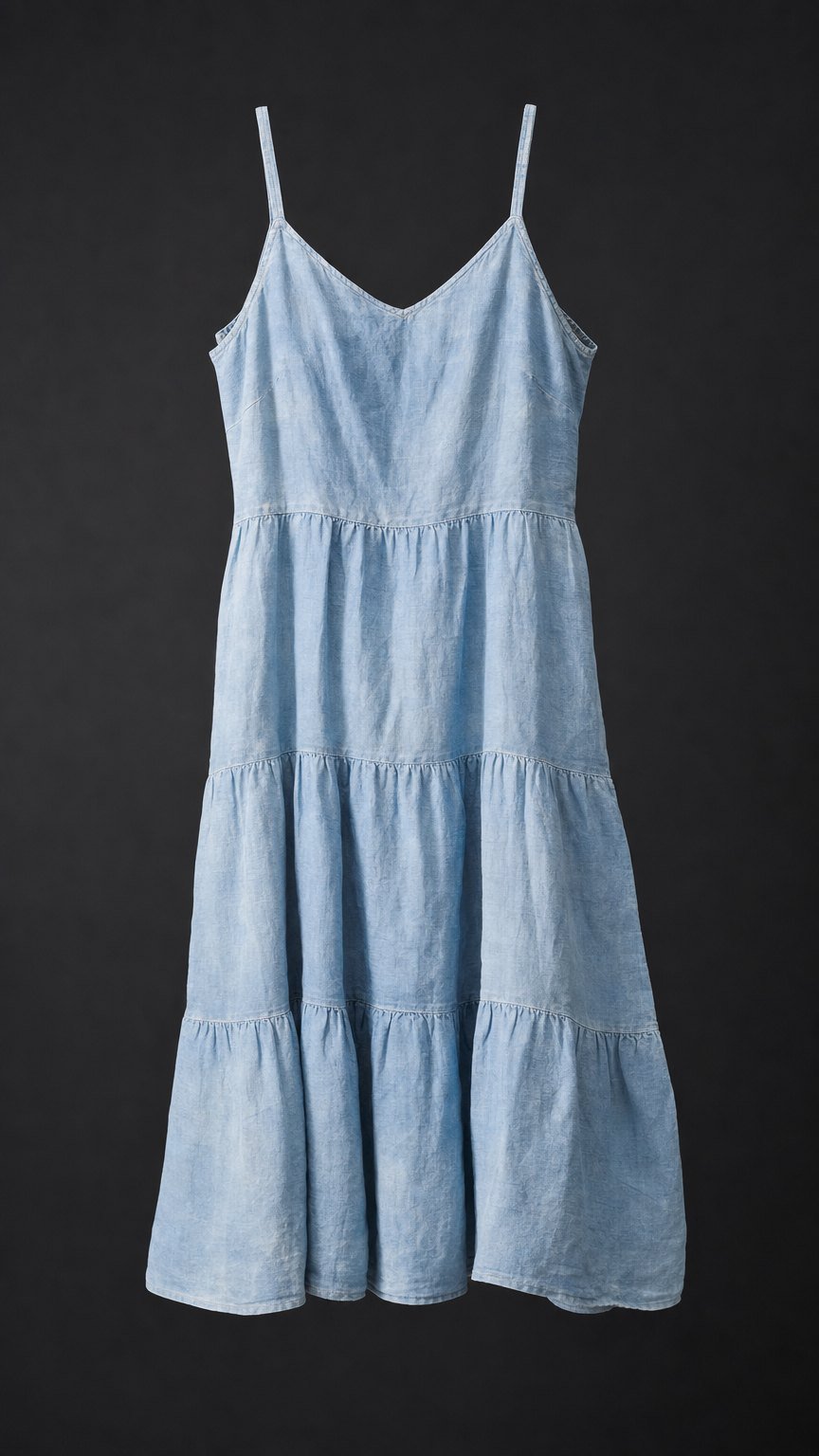
Tiered sun-washed linen in pale ocean blue — the colour of a wake at dusk. Relaxed straps, barefoot hem, the dress that packs to nothing and reads "island" on any dock.
[Shell] 100% organic European linen, sun-washed. [Dye] natural indigo, pale extraction, batch-numbered. [Cut] relaxed tiered midi.
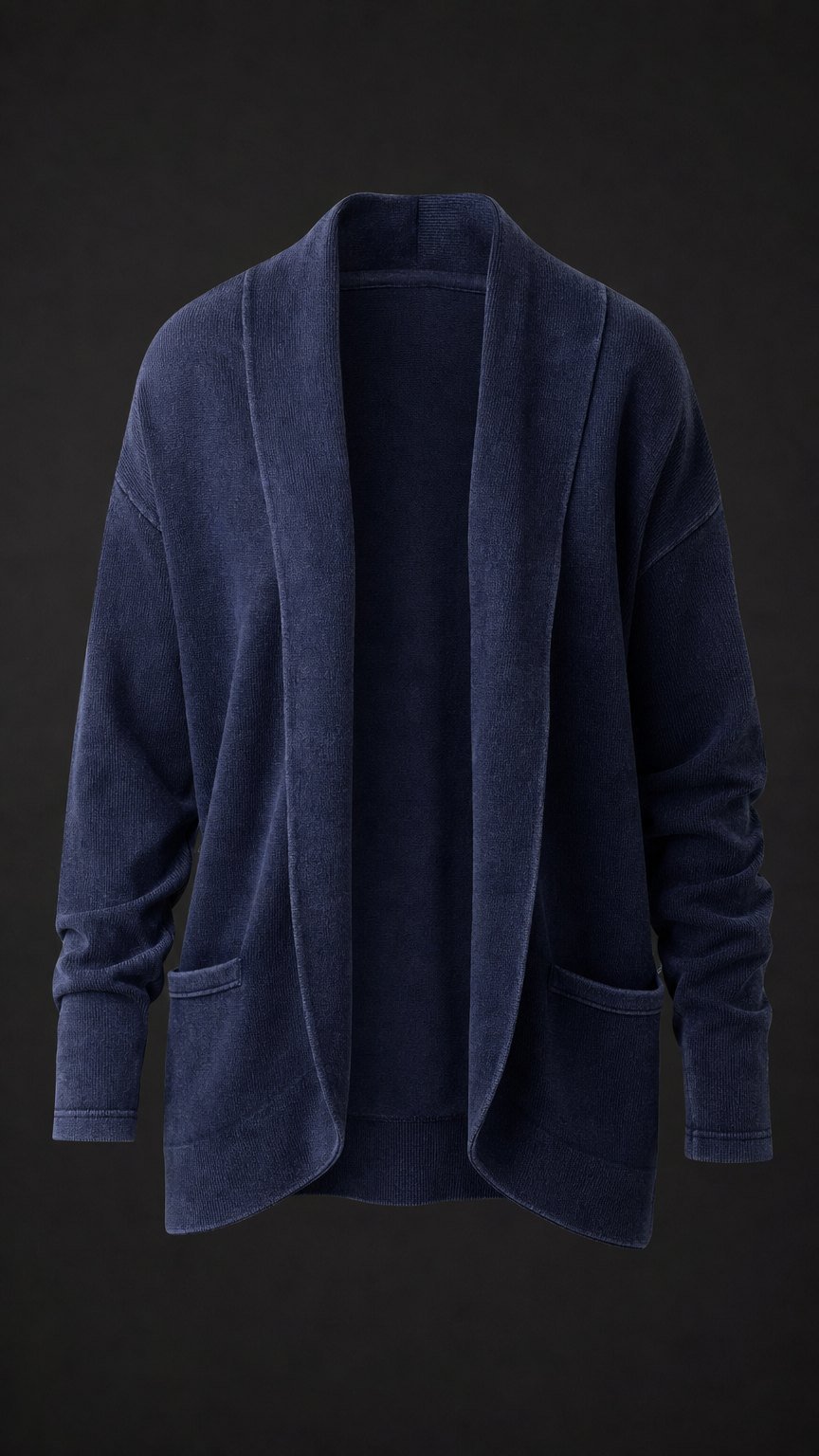
Midnight indigo
The Lodge Cardigan
$178
Sun-washed organic cotton knit, deep indigo, open front — for cool evenings after warm water. The layer that lives over everything from September to the trades.
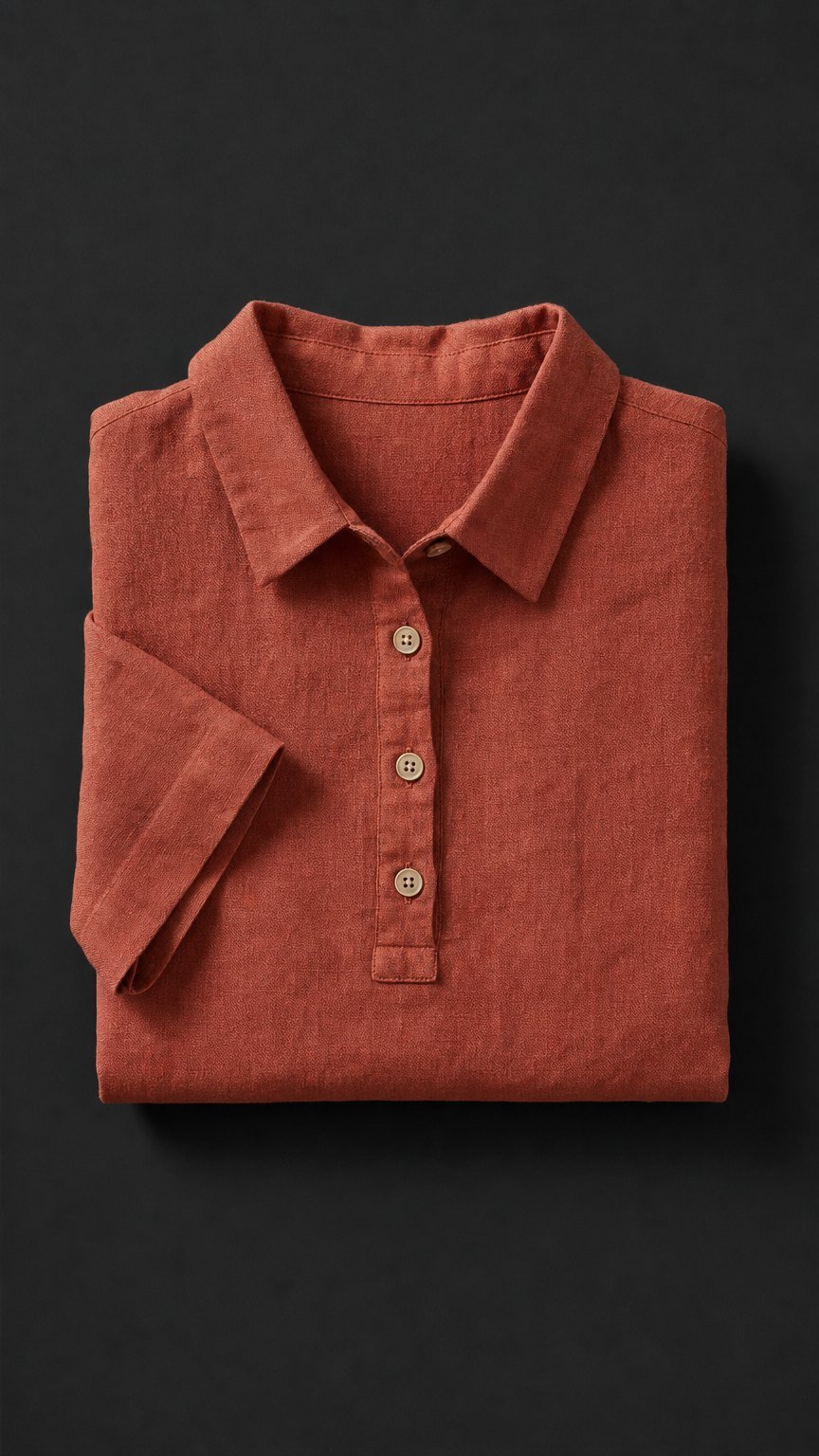
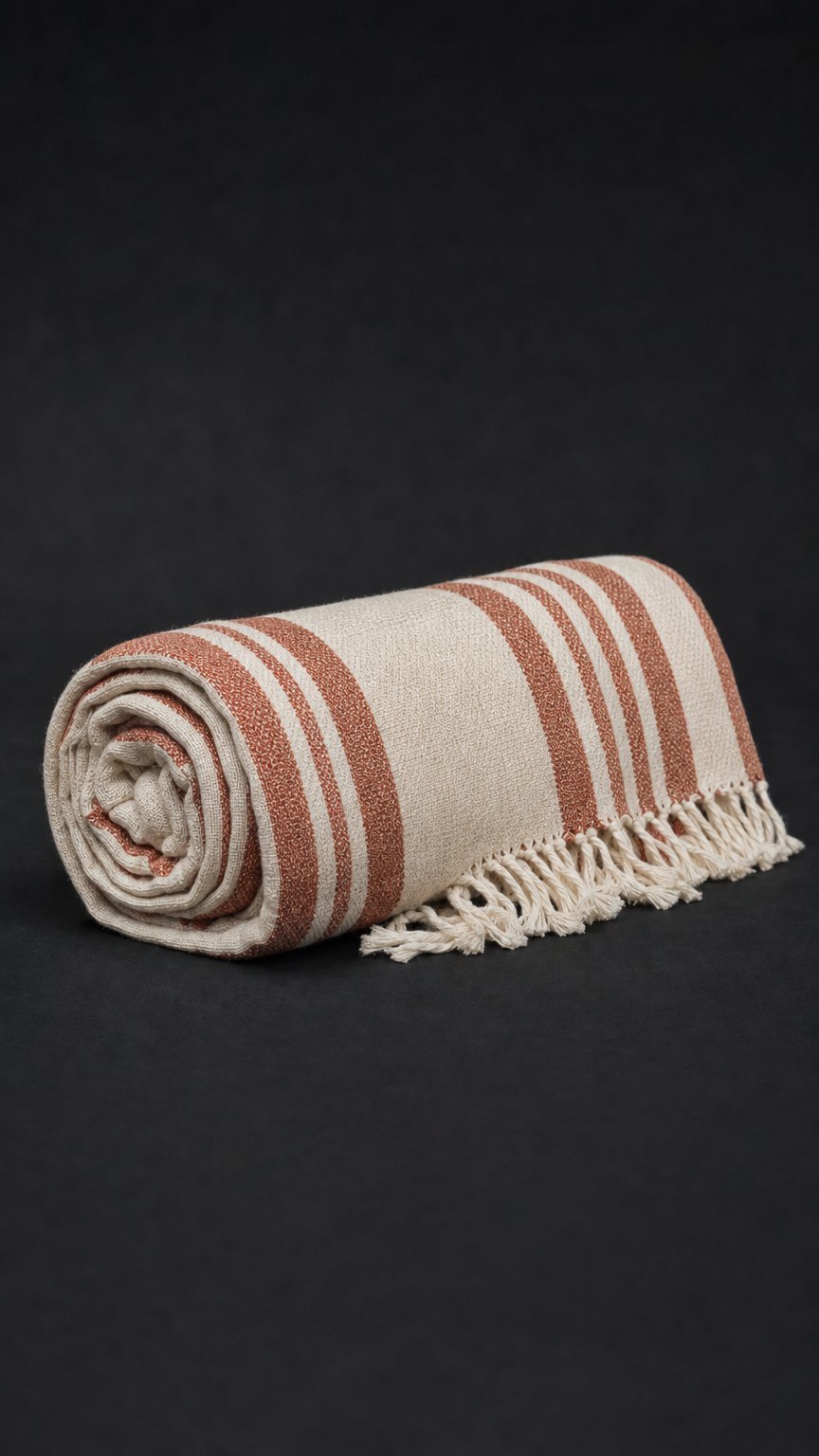
Relaxed linen polo in natural red ochre — madder-earth territory, but sun-washed soft. Collar up in the afternoon wind, three corozo buttons, harbour-ready.
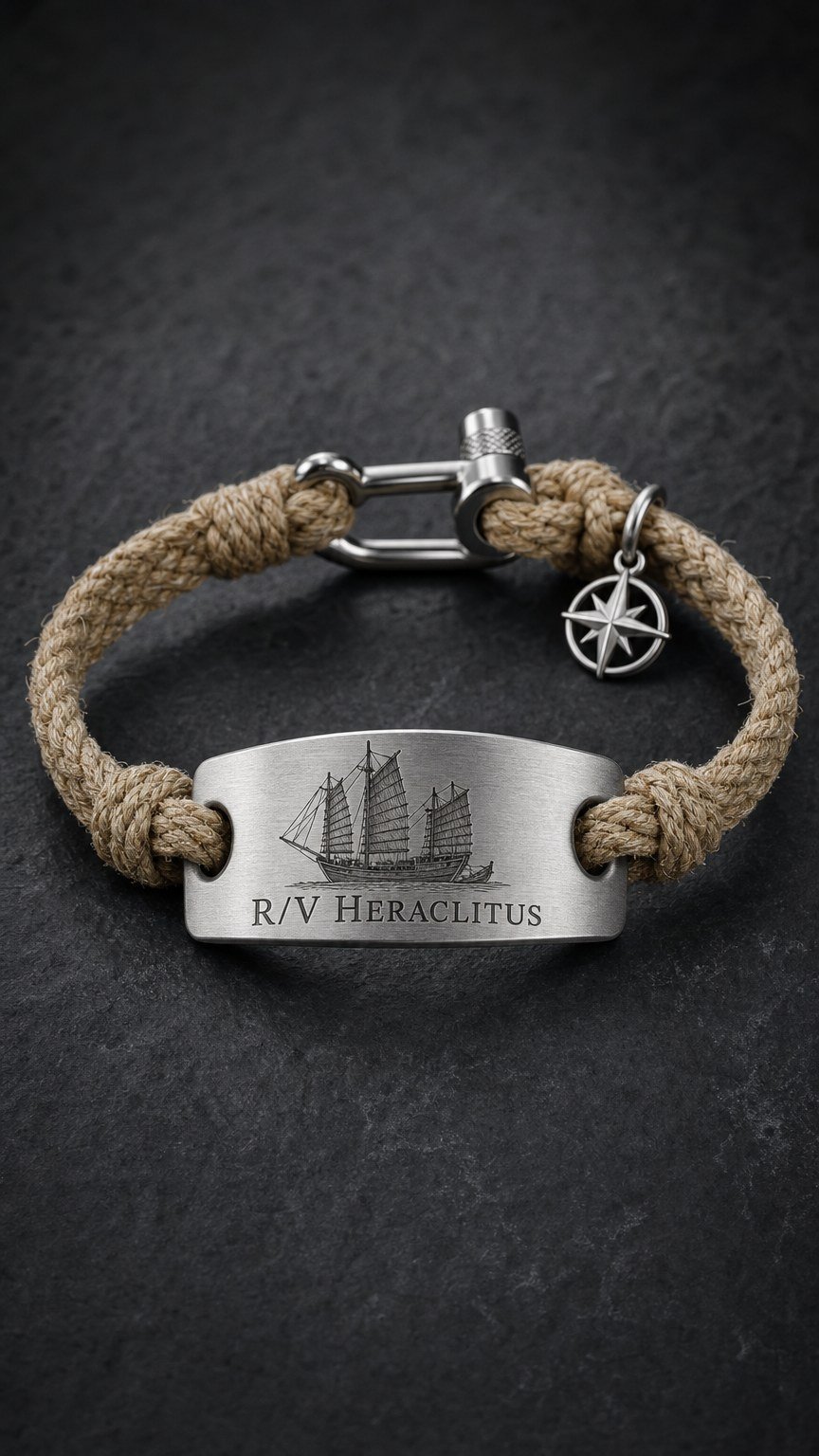
Brushed 316L stainless plate, deep-engraved with the ship and R/V Heraclitus, on hand-woven hemp cord with a steel shackle clasp. Salt-proof, wreck-proof, outlives the warranty. Numbered on the back — a run of 500, as drawn. Each number is logged in the ship's digital log beside its owner.
[Plate] 100% 316L marine-grade stainless steel, deep laser engraving, individually numbered. [Cord] hand-woven natural hemp, salt-safe. [Clasp] stainless shackle, screw-gate. [Edition] 500 pieces, engraved 001–500, never re-issued. Certificate of edition included, signed by the rebuild crew.
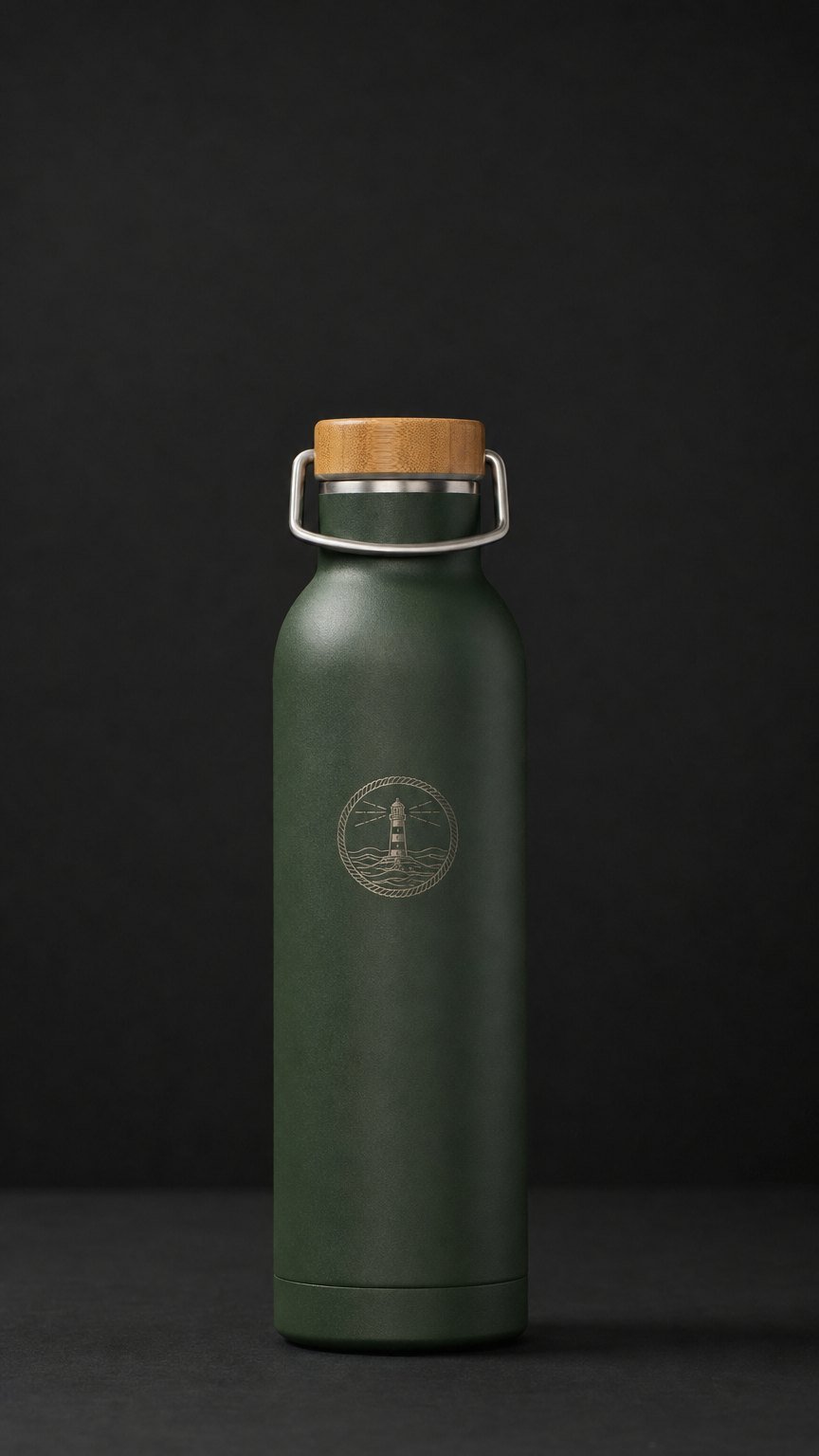
Waxed olive
The Sea Bag
$198
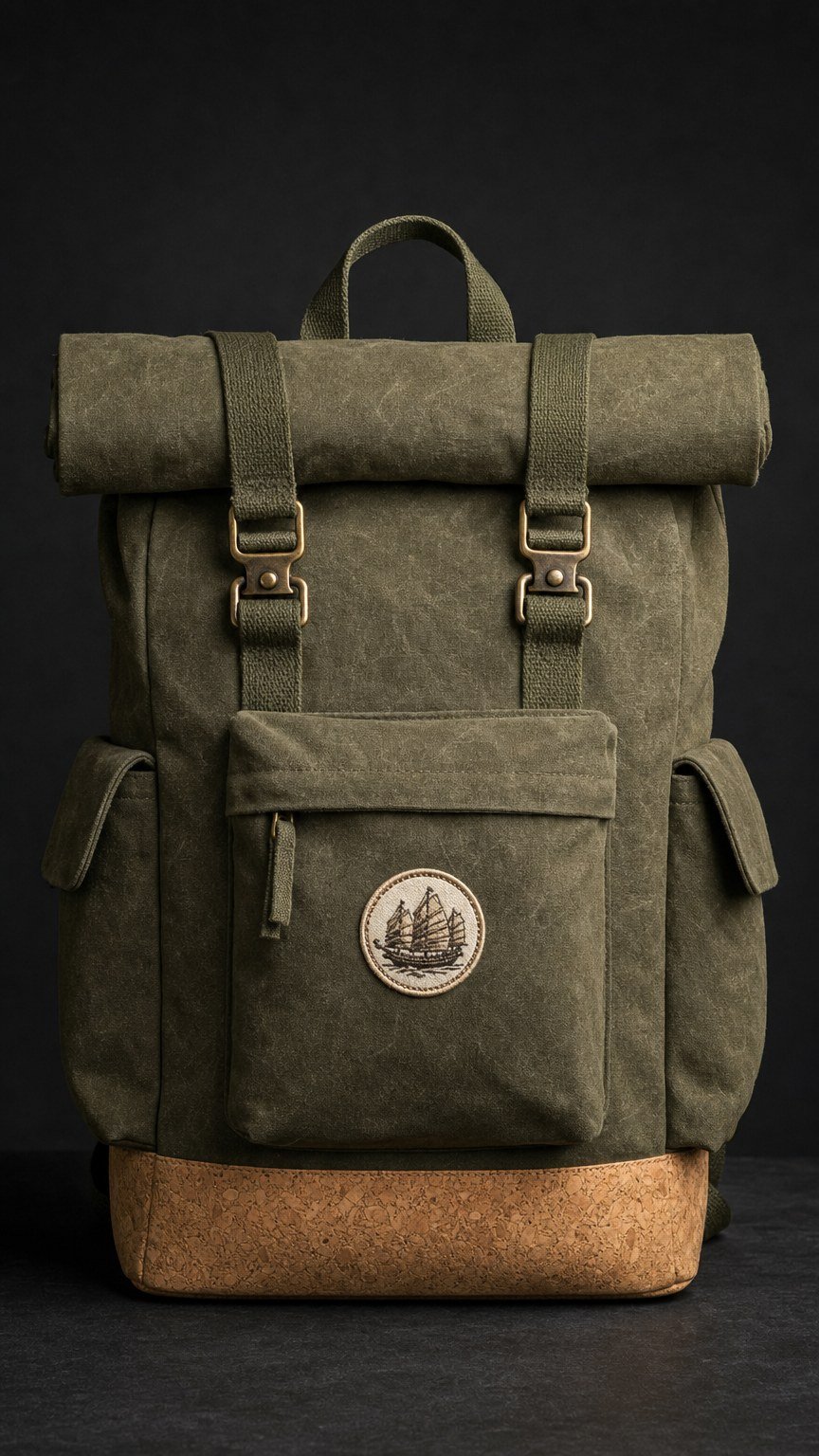
Waxed hemp-canvas rucksack with a natural cork base, brass hardware and a roll-top that swallows a week of kit. Carries like a duffel, wears like a daypack — built for the passage, not the terminal. Badge embroidered, not printed: it should outlast the canvas.
[Body] 16oz waxed hemp canvas, natural olive-leaf dye, re-waxable. [Base] natural cork — leather-free, salt-rot-proof. [Hardware] solid dark brass, lacquered. [Straps] organic cotton webbing, no foam, no plastic. [Lining] undyed organic cotton. 24L roll-top, expands to 32L.
Cement
The Watch Cap
$38
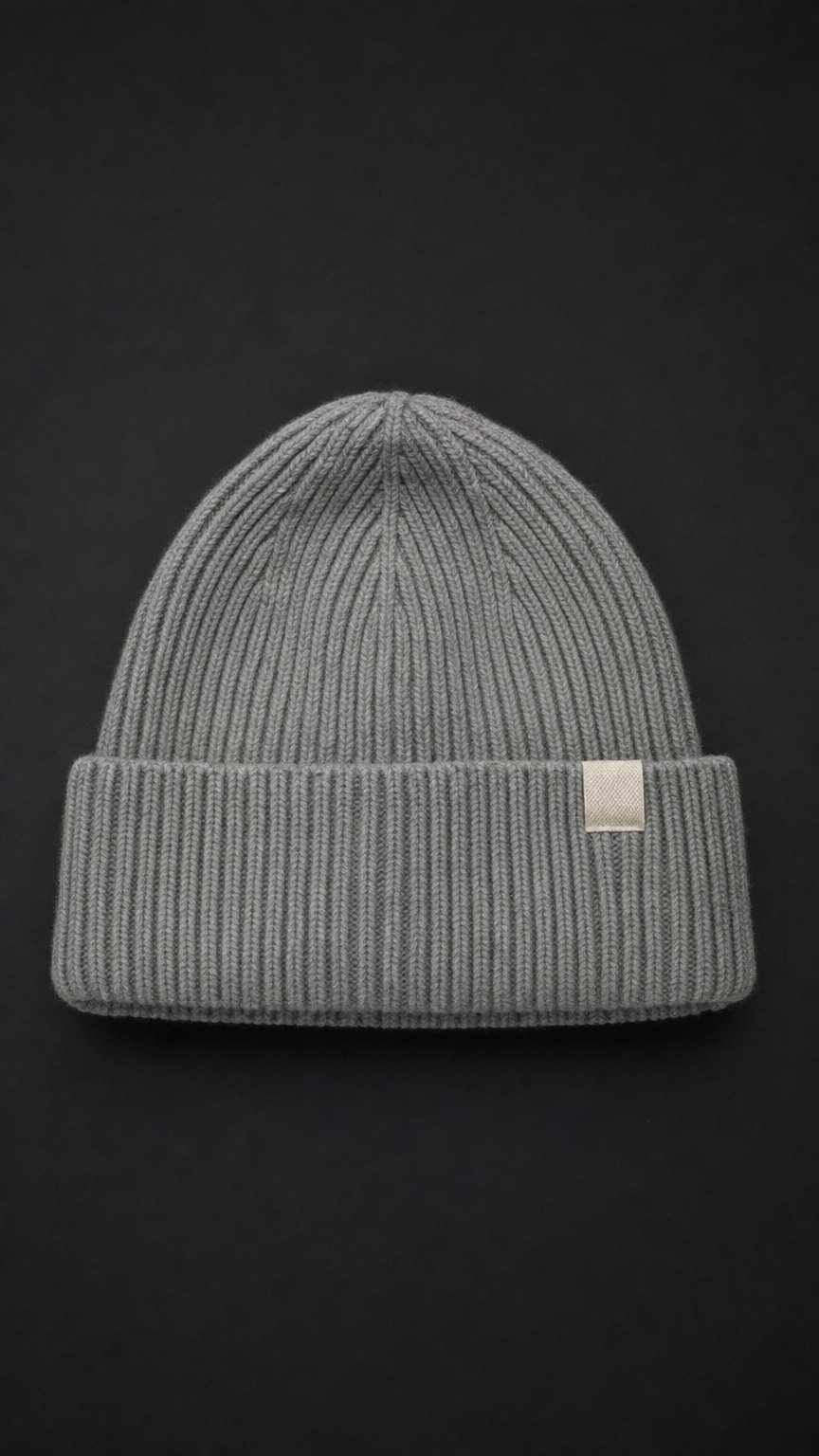
Undyed merino-cement watch cap. Standard issue for night watch anywhere cold.
[Shell] 100% RWS merino wool, double-knit — no nylon, no acrylic, no fleece lining. Pure wool, the way a night watch deserves.
Hemp
The Dock Bag
$64
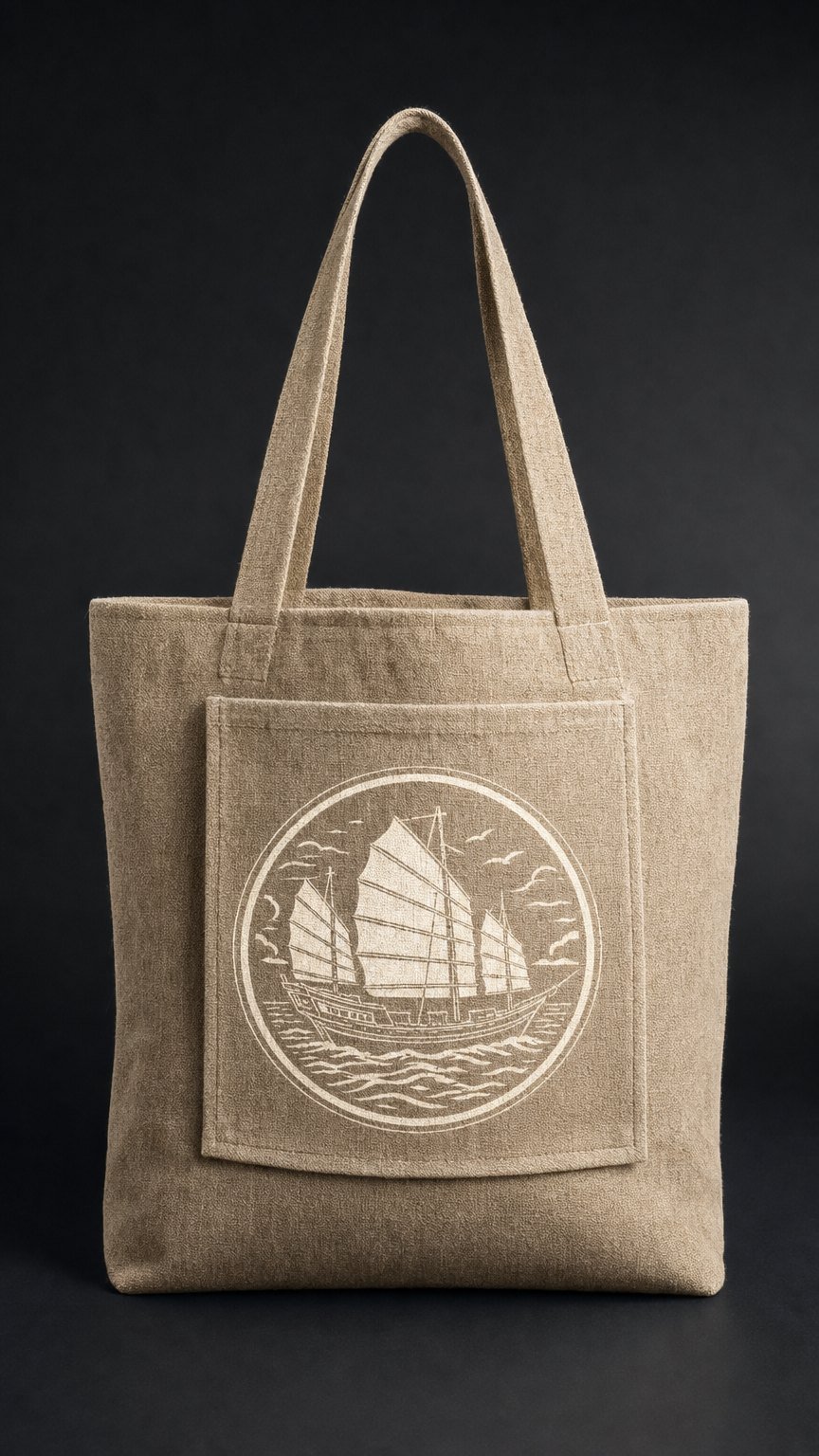
14oz hemp canvas tote, natural fibre, screen-printed with the badge. Carries the grog and the tools.
Bamboo (lyocell) + organic cotton for everything worn against the sun — tees, sundresses, shorts. Softer than marine-layer cotton, thermo-regulating, and grown without irrigation or pesticides. Hemp for the hard pieces — the deck jacket and dock bag — the strongest natural fibre a boat ever sailed with, and it softens with salt and use instead of failing.
Natural dyes only, and the palette is already on the ship: indigo and olive leaf for the greens, madder root for the red of her deck, walnut and iron for hull black, undyed fibre for cement and sail cream. Every colour in the line can be traced to a plant or a mineral — nothing synthetic touches the water she sails on.
The dye room
Indigothe greens & blues
Madder rootthe red of her deck
Walnut & ironhull black
Undyed fibrecement · sail cream
Carrot topsseasonal yellow-green
Golden yarrowforaged gold
Colour is a crop. It grows in a field, gets foraged from a hillside, or comes out of the ground — and every batch is a little different, because seasons are different. That's not a defect. That's the point.The dye room, mission statement
This is the part of natural dyeing the big labels can't fake: the story of where colour comes from. We'd dye in small batches with plants — indigo and madder from growers, carrot tops and yarrow foraged in season — and lean into the variation instead of hiding it. Every garment ships with the batch number and the plant that made it.
The craft is in the middle of a real revival, and its proof sits by the beach in Malibu. At The Way We Live, a natural-dye studio at Cross Creek, Anne-Marie Judd hand-crafts colour from her own garden and the hills around it — golden yarrow foraged in season, black-walnut hulls and oak galls, indigo she turns into pigment herself — and sells what it becomes: hand-dyed furoshiki bags, foraged-ink kits, bundle-dyed silk. Her workshops, where guests steam scarves with foraged flowers, carry a perfect 5.0 rating on Airbnb and run most weekends — people happily pay $66 for ninety minutes of watching colour happen. Two of the swatches above — carrot tops and golden yarrow — come straight from her real dye practice. It is the same bundle-and-steam technique the line's one-off scarves and bandanas would use, and a working model for the dye room this label imagines. Follow the studio on Instagram.
Concept study — not yet for sale. If the label launches: certified mills (OEKO-TEX / GOTS), closed-loop lyocell processing, natural dyes from growers and foragers, and every dollar above cost goes to the re-launch. And when a season's dye batch runs out, it becomes Past Batch — same garment, last year's colour, kinder price. Nature doesn't do restocks.
The guarantee
Warrantied for one circumnavigation. Two, if you're kind to it.
Salt is not damage. Salt is seasoning. Fades are earned, not defects.
Designed to be repaired, re-dyed, and re-sailed. Like the ship. Send it back and we'll patch it before you can say "ferrocement."
Every garment carries its dye batch and the plant that made it. No two are identical — neither are two watches at sea.
Exchange policy: trade stories, not garments.
Lifetime of the garment: the lifetime of the ship. She goes back to sea, your grandkids inherit the jacket.
The fine print, printed large: if it fails at sea, the repair is free. If it fails on land, the repair is free too. We're not complicated people.
The Sea People co-op
$35, once, for life. Modeled on the outdoor co-ops: the store belongs to the people who sail it. Members get first claim on every dye batch (nature limits the run, not the marketing calendar), a vote on next season's palette, first invitations to shipyard workshops at Roses, and 5% back in store credit.
And the part that matters: every membership dollar funds the re-launch. A co-op member is one step from a volunteer — that's the whole point.
The co-op does not exist yet. Both links go to the ship's own project at rvheraclitus.org — there is nothing to join here.
Batch priority — first claim on limited natural-dye runs
Palette vote — next season's colours, chosen by members
Workshop access — dye days and shipyard work at Roses
5% back — in store credit, every order
Member log — your name in the ship's digital log
Concept study — the co-op is how a clothing line becomes a crew.
They are not done. They have been not-done for fourteen years.
A new ferrocement hull, roughly sixty tons, with upgraded engineering throughout. Hundreds of volunteers have passed through Roses since 2012. What is left is the interior — systems, outfitting, rigging.
The project is still taking volunteers, and still raising money to finish. Everything below goes to the Heraclitus project directly.
Questions about the film, screening and festival enquiries, press, archive
and licensing requests, or anything about the Shorts series — this reaches us.
Looking for the ship itself — volunteering at Roses, the
rebuild fund, crew history or the expedition record? That is the project, not the
film: rvheraclitus.org.